If you’re hunting for a way to give your home the timeless, rugged charm of real rock without the weight, cost, or labor of full‑stone construction, stone veneer is the answer. This lightweight cladding mimics natural stone, adds instant curb appeal, and can be installed over existing walls, making it one of the most popular exterior upgrades in 2026. For a broader view of how stone veneer stacks up against other exterior solutions, see our guide on best siding options for houses in 2026.
What Exactly Is Stone Veneer?
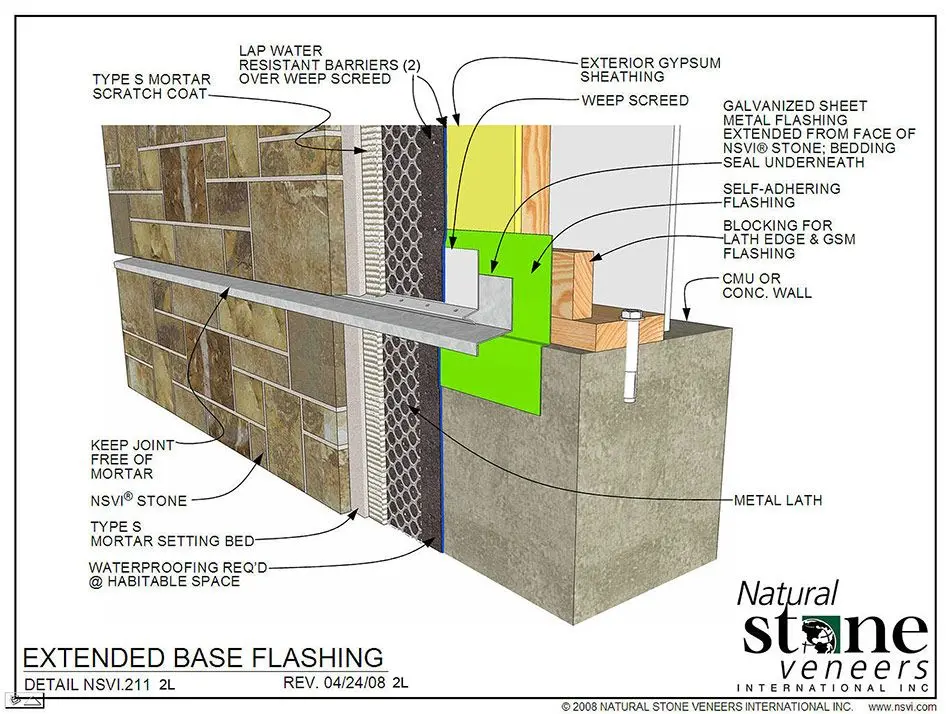
Stone veneer is a thin layer—typically ½ to ¾ inch thick—of stone‑like material applied to a structural wall. It can be fabricated from three main sources:
- Natural stone veneer: Real rock that’s been cut, split, or sliced into thin slabs.
- Manufactured stone veneer: Concrete, polymer, or gypsum mixes molded to resemble specific stone types.
- Dry‑stack veneer: Interlocking pieces that fit together without mortar, often used for interior accent walls.
Regardless of the origin, the result is a natural stone look that delivers the visual depth of a full stone wall while remaining lightweight enough for most residential framing systems.
Table of Contents
- What Exactly Is Stone Veneer?
- Why Homeowners Choose Stone Veneer in 2026
- Types of Stone Veneer and Their Ideal Uses
- Natural Stone Veneer
- Manufactured Stone Veneer
- Dry‑Stack Veneer
- Installation Basics: From Prep to Finish
- Stone Veneer vs. Other Siding Materials
- Common Mistakes and How to Avoid Them
- Cost Considerations for 2026 Projects
- Maintenance & Longevity: What to Expect
- Real‑World Case Studies
- Case 1: Suburban Ranch Renovation, Texas
- Case 2: Historic Bungalow, Portland, OR
- Frequently Asked Questions
- Can stone veneer be installed over existing vinyl siding?
- Is stone veneer fire‑rated?
- How does stone veneer affect home energy efficiency?
- What is the typical warranty on stone veneer?
- Can I paint stone veneer?
- Final Thoughts: Is Stone Veneer Right for You?
Why Homeowners Choose Stone Veneer in 2026
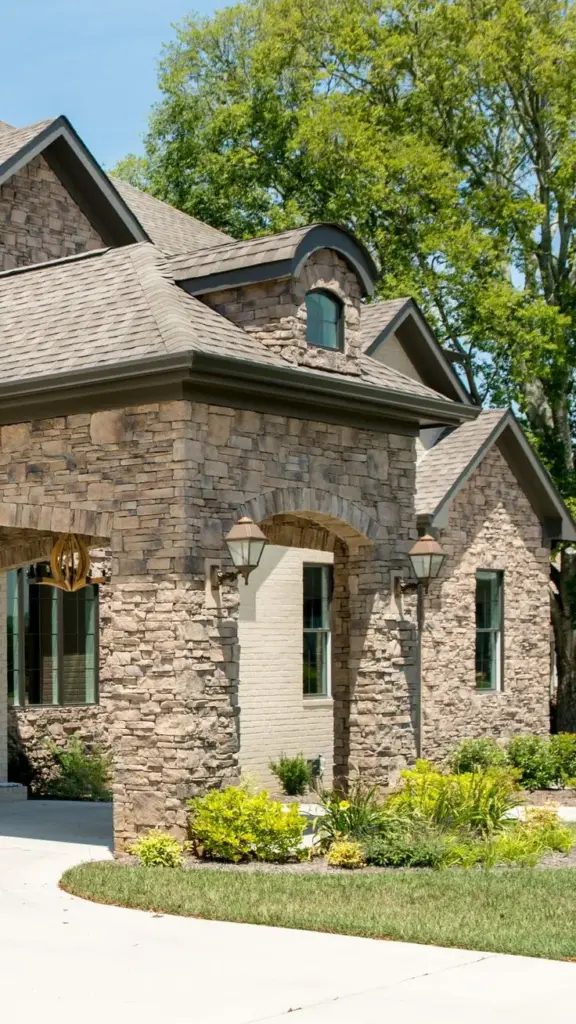
According to a 2025 market analysis by Grand View Research, the global stone veneer market reached $4.7 billion and is projected to grow at a 5.2 % CAGR through 2030. Several key drivers explain this surge:
- Cost‑effectiveness: Natural stone can cost $30–$45 per square foot, whereas veneer ranges from $6 to $15 per square foot, a savings of up to 70 %.
- Ease of installation: Most veneer systems require only basic carpentry tools, allowing DIY enthusiasts to finish a typical 1,500 sq ft façade in under two weeks.
- Energy efficiency: When installed with proper insulation, stone veneer adds an extra thermal barrier, helping homes meet the tighter energy codes introduced by the International Energy Conservation Code (IECC) 2025.
- Environmental friendliness: Manufactured veneer often incorporates recycled aggregates and low‑VOC binders, reducing the embodied carbon compared with quarry‑extracted stone.
Types of Stone Veneer and Their Ideal Uses
Natural Stone Veneer
Harvested from quarries, natural veneer retains the authentic color variations and texture of the source rock—think limestone, slate, or fieldstone. It’s best suited for historic renovations or high‑end projects where authenticity is non‑negotiable. Because it’s denser, a reinforced substrate (e.g., ½‑inch plywood with metal lath) is required.
Manufactured Stone Veneer
Made from a blend of cement, sand, and pigments, these panels can be engineered to replicate any stone style, from rustic cobblestone to sleek stacked stone. Manufacturers often rate them for weather resistance and fire rating (typically Class A). They’re the go‑to choice for new construction, especially when paired with modern exterior cladding like Hardie Plank siding.
Dry‑Stack Veneer
Designed for interior accent walls, dry‑stack systems use a tongue‑and‑groove method that eliminates mortar. While not typically used on exterior walls, they illustrate the versatility of veneer technology and are gaining traction in boutique hotels and loft apartments.
Installation Basics: From Prep to Finish
Proper installation is crucial to avoid cracking, water infiltration, or premature failure. Follow these steps for a reliable, long‑lasting finish:
- Assess the substrate: Verify that the existing wall is structurally sound, dry, and level. For masonry or concrete, a vapor‑permeable membrane (e.g., 15‑lb building paper) should be installed.
- Apply a metal lath: Secure 1‑by‑3‑inch galvanized lath to the wall using corrosion‑resistant screws. This creates a “key” for the mortar to grip.
- Mix the mortar: Use a polymer‑modified thin‑set mortar (type S) as recommended by the veneer manufacturer. This improves adhesion and flexibility.
- Lay the veneer: Start at the bottom, applying a ¼‑inch mortar bed. Press each stone piece firmly, tapping with a rubber mallet to achieve a uniform plane.
- Maintain joint consistency: Keep mortar joints between ¼‑½ inch, using a pointing trowel to shape and smooth them.
- Seal the surface: After curing (typically 48 hours), apply a breathable, water‑repellent sealant to protect against moisture while allowing vapor diffusion.
Skipping any of these steps often leads to common issues such as “spalling” (surface flaking) or “efflorescence” (white mineral deposits). For a deeper dive into proper exterior cladding practices, see our James Hardie siding guide, which outlines similar prep and sealing techniques.
Stone Veneer vs. Other Siding Materials
When homeowners decide on a façade, they typically compare stone veneer with other popular options like fiber‑cement siding, vinyl, and wood clapboard. Below is a quick matrix based on 2026 data from the National Association of Home Builders (NAHB):
| Material | Initial Cost (per sq ft) | Maintenance | Durability | Environmental Impact |
|---|---|---|---|---|
| Stone veneer (manufactured) | $9–$14 | Low – seal every 5–7 years | 30–50 years | Recycled content 40 % |
| Hardie board (fiber‑cement) | $12–$18 | Low – repaint every 10 years | 25–40 years | Low VOC, moderate embodied carbon |
| Vinyl siding | $3–$7 | Very low – power wash | 20–30 years | Petroleum‑based, higher carbon |
| Wood clapboard | $5–$10 | High – stain/paint every 3–5 years | 15–25 years | Renewable if sourced responsibly |
While vinyl boasts the lowest upfront price, stone veneer offers superior visual heft and a higher perceived property value—a factor that can increase resale price by up to 5 % according to the 2025 Zillow Home Value Index.
Common Mistakes and How to Avoid Them
- Improper anchoring: Using drywall screws instead of corrosion‑resistant deck screws can cause the lath to pull away under wind loads.
- Insufficient moisture barrier: Skipping the building paper invites water wicking, leading to hidden rot behind the veneer.
- Uneven mortar beds: Gaps or low spots create stress points that cause cracking over time.
- Neglecting expansion joints: For walls over 30 ft, a 1/8‑inch expansion joint every 12 ft prevents thermal movement from stressing the stone.
Cost Considerations for 2026 Projects
The total cost of a stone veneer installation depends on material choice, labor rates, and site conditions. Below is a typical breakdown for a 2,000‑sq‑ft exterior:
- Material: Manufactured veneer $12/sq ft = $24,000
- Labor: Average $8–$10/sq ft (regional variance) = $16,000–$20,000
- Additional supplies (lath, mortar, sealant): $3,000
- Total: $43,000–$47,000
Compared with a full natural stone façade—often exceeding $80,000 for the same square footage—stone veneer presents a clear economic advantage without sacrificing aesthetic impact.
Maintenance & Longevity: What to Expect
After installation, stone veneer requires minimal upkeep. A simple annual inspection for loose pieces, followed by a gentle pressure wash and re‑application of sealant every 5–7 years, will keep the façade looking fresh. In harsh climates—think coastal salt air or freeze‑thaw cycles—selecting a high‑performance polymer‑modified mortar can extend the service life by up to 10 years, according to the 2025 American Society of Civil Engineers (ASCE) durability study.
Real‑World Case Studies
Case 1: Suburban Ranch Renovation, Texas
A 2,500 sq ft ranch home was upgraded with a limestone‑style manufactured veneer. The homeowner reported a 7 % increase in market appraisal within six months and praised the “instant upscale feel.” Installation was completed in 10 days with a crew of two, and the project stayed $5,000 under the initial budget.
Case 2: Historic Bungalow, Portland, OR
To preserve the historic character, the owners chose natural fieldstone veneer for the front elevation. The project required a reinforced steel lath and a breathable membrane to meet the local historic preservation guidelines. The total cost rose to $68,000, but the home qualified for a $12,000 state historic tax credit, offsetting much of the expense.
Frequently Asked Questions
Can stone veneer be installed over existing vinyl siding?
Yes, as long as the vinyl is firmly attached and a solid backer board (typically ¼‑inch exterior‑grade plywood) is installed over it. A moisture‑permeable barrier is still required to prevent trapping condensation.
Is stone veneer fire‑rated?
Most manufactured stone veneers meet Class A fire rating, the highest classification for non‑combustible building materials, making them suitable for fire‑prone zones.
How does stone veneer affect home energy efficiency?
When combined with exterior insulation (e.g., rigid foam) and sealed properly, stone veneer adds a thermal break that can lower heating‑season energy consumption by 3‑5 % according to the U.S. Department of Energy’s 2025 Residential Energy Consumption Survey.
What is the typical warranty on stone veneer?
Manufacturers generally offer a 10‑year limited warranty covering material defects and adhesion failure, while the mortar and installation workmanship may be covered under a separate contractor warranty.
Can I paint stone veneer?
Painting is possible but not recommended for natural stone, as it masks the authentic texture. For manufactured veneer, a breathable masonry paint can be used if a new color scheme is desired, but it may void the manufacturer’s warranty.
Final Thoughts: Is Stone Veneer Right for You?
Stone veneer delivers a high‑impact visual upgrade, moderate cost, and long‑lasting performance when installed correctly. Its flexibility—ranging from ultra‑realistic natural stone to lightweight polymer options—makes it a versatile solution for both renovation and new‑construction projects. By comparing its benefits against other cladding choices like Hardie board siding or vinyl, homeowners can make an informed decision that balances aesthetics, budget, and durability.
Ready to start your stone veneer journey? Consult a certified installer, verify local building codes, and consider pairing the veneer with energy‑efficient siding options to maximize both curb appeal and long‑term savings.
For further reading on exterior cladding trends and detailed installation guidelines, explore our comprehensive resources on modern siding solutions.
Learn more about the history and composition of stone veneer on Wikipedia.
